Attorneys need public officers for emergencies and public-safety matters, while private investigators provide lawful fieldwork that fills factual gaps in civil and criminal cases. When court records do not show where a witness is, what happened at a location, or whether an allegation can be independently verified, Elite Investigations can help organize witness locating, interviews, surveillance, background research, asset searches, and related legal investigations across Montana and Wyoming.
Why a case may require fieldwork beyond court records
Pleadings, discovery responses, and case files can identify a disputed issue without answering the practical questions an attorney must resolve before litigation or trial. A witness may have moved, a timeline may depend on what happened at a physical location, or a party’s background and assets may require lawful independent research. Fieldwork converts those unanswered questions into documented leads for attorney review.
People sometimes search for public officer support in legal investigations or criminal emergencies because the matter feels urgent. Public officers, including law enforcement, handle emergency response, active crimes, public safety, and enforcement of public laws. A private investigator serves a different role by supporting a retained attorney or client with lawful fact gathering. If someone faces immediate danger, an active crime, or an emergency requiring police, call 911 or the appropriate public agency.
The warning signs that a legal file is missing material facts
A file needs fieldwork when a key witness cannot be reached, the opposing account conflicts with available records, the timeline depends on an unvisited location, or important background information remains unverified. We recommend identifying the precise factual gap first, then selecting the narrowest assignment that can address it through interviews, surveillance, records-oriented research, or another lawful method.
When witnesses, assets, or activity extend beyond one community
A lead may require work outside Billings when a witness lives in Bozeman, Butte, Missoula County, Anaconda, Baker, another Montana community, or Wyoming. Multi-location matters require clear addresses, deadlines, travel assumptions, and reporting expectations so the attorney can compare findings without losing the connection between each location and the legal issue.
The different roles of public officers and private investigators
Public officers respond to emergencies, investigate crimes under public authority, and protect public safety; private investigators work under a client-defined assignment and applicable legal limits. We support attorneys through witness locating and interviews, surveillance investigations, background investigations, asset searches, and other lawful inquiries, but we do not replace 911, police, prosecutors, or other public agencies.
How to decide which leads deserve investigation across Montana and Wyoming

The strongest lead is the one tied to a disputed fact, a reachable source or location, a realistic deadline, and a clear effect on the case. We recommend screening each proposed task before authorizing fieldwork:
- Identify the disputed fact: State what the attorney needs to prove, challenge, locate, or clarify.
- Name the source or location: Provide the witness, address, business, account lead, platform, or event connected to that fact.
- Assess time sensitivity: Mark filing dates, scheduled testimony, changing conditions, or risks that a witness or digital record may become harder to locate.
- Confirm lawful boundaries: Define what access, recording, surveillance, contact, preservation, and documentation methods are permitted.
- Define the decision point: Explain whether the result may support an interview, motion, settlement position, disclosure, further investigation, or no additional action.
Prioritize missing or reluctant witnesses, uncertain timelines, potential assets, surveillance questions, background concerns, and activity outside Billings when those issues affect the legal theory. Send a concise matter summary, relevant documents, known addresses, deadlines, and requested deliverables before asking for an estimate.
A triage checklist for people, places, assets, and digital activity
Start with four categories: people who must be located or interviewed, places that require observation or inspection, assets that may justify further research, and digital activity that needs lawful review or preservation. Record what is already known, what remains uncertain, and which result would change the attorney’s next step before assigning multiple tasks.
Questions that connect fieldwork to the legal theory of the case
Ask, “Which disputed fact does this lead address?” and “What would we do if the lead is confirmed or disproved?” Those questions help separate useful investigation from unfocused searching and help the investigator select interviews, surveillance, background work, asset searches, or records-oriented inquiries that produce usable case facts.
What an attorney should ask before hiring an investigator for fieldwork
Before retaining an investigator, ask how the assignment will be managed, documented, communicated, and estimated. A focused discussion should cover:
- Who will manage the assignment and serve as the primary contact?
- How often will the attorney receive updates, and in what format?
- Which locations can be addressed across Montana and Wyoming?
- What will the final report include, such as dates, observations, interview details, photographs, or supporting documentation?
- How will urgent developments be communicated?
- What assumptions about scope, travel, access, timing, or follow-up affect the estimate?
Attorneys should also discuss lawful access, privacy, impersonation, recording, surveillance boundaries, chain of custody, and attorney-client work-product expectations. The attorney must confirm the rules that apply to the matter, while the investigator should explain the proposed methods and documentation clearly. Elite Investigations emphasizes responsive, knowledgeable support for complex cases, witness interviews, and attorney assistance, so these expectations belong in the initial conversation.
Communication and assignment management
A good communication plan identifies the decision-maker, update intervals, preferred channel, and escalation process before fieldwork begins. We recommend agreeing on what requires immediate notice, what belongs in a scheduled status update, and when the attorney will review interim findings before authorizing additional locations, interviews, or surveillance.
Documentation, privacy, and evidence handling
Documentation should show what was done, when it occurred, where it occurred, and how the information relates to the assignment. Discuss lawful access, privacy limits, recording rules, surveillance boundaries, preservation, and chain of custody in advance, and ask how reports and supporting materials will be delivered for attorney review and case management.
Estimating social media searches and other investigative tasks
Social media search cost depends on the subject, available identifiers, platforms, date range, preservation needs, verification work, and follow-up required. Ask for a task-specific estimate rather than assuming a flat price, and define whether the assignment includes public or authorized information, context review, documentation, and a written report.
Which investigative services can turn a paper file into usable case facts
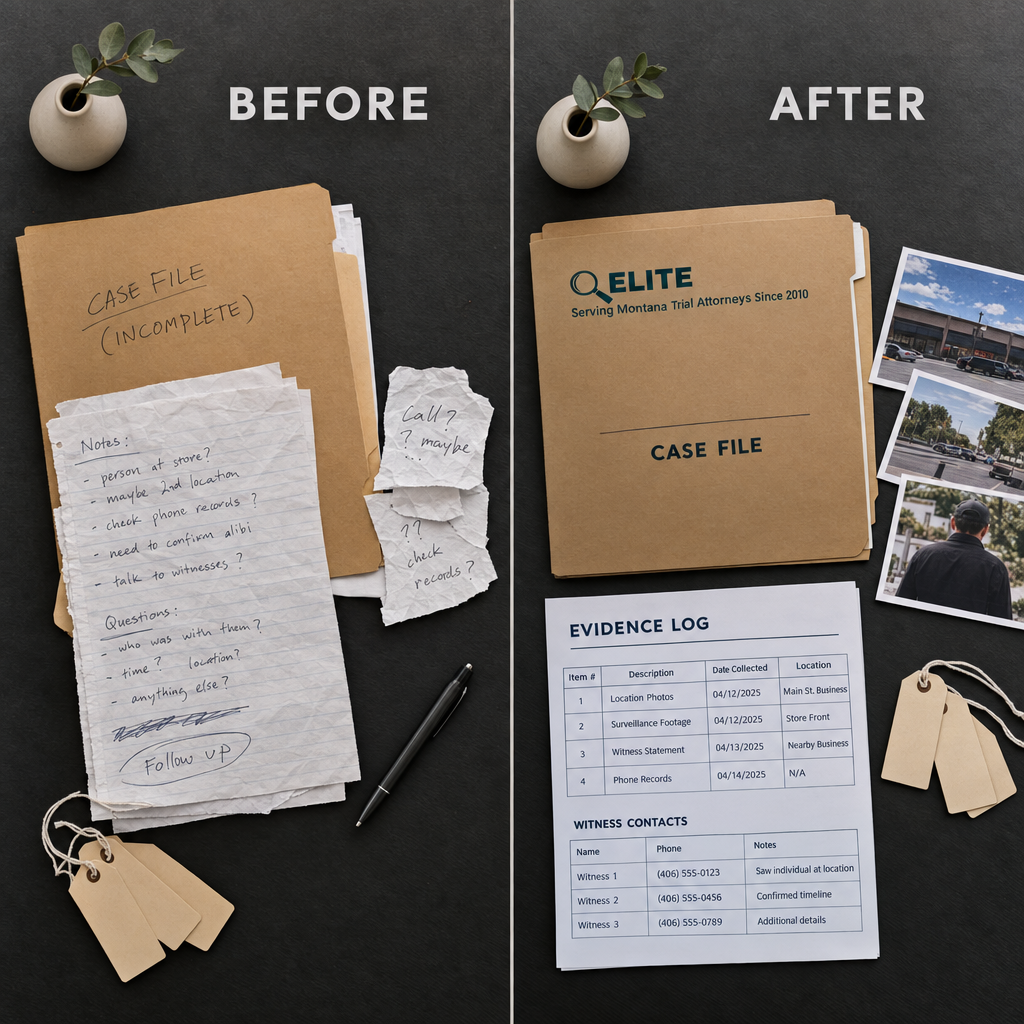
Each investigative service should answer a defined question: where a person can be reached, what a witness recalls, whether observed conduct matches an allegation, what background information may matter, or whether an asset lead warrants further work. The usual workflow begins with assignment scope, proceeds through lawful field or records activity, preserves contemporaneous notes and appropriate photographs or documentation, and ends with a written report for attorney review.
Elite Investigations provides legal investigations, surveillance investigations, asset searches, witness locating and interviews, background checks, social media investigations, nursing home investigations, bank account searches, and civil and criminal investigations. The right combination depends on the disputed facts, available identifiers, deadlines, and legal purpose.
Witness locating and interviews
Witness locating seeks a reliable way to reach a person, while an interview seeks the witness’s account of relevant events, observations, dates, and relationships. We recommend giving the investigator known names, former addresses, employers, contact details, and the specific topics that matter so the work remains focused and the resulting report distinguishes direct statements from investigative observations.
Surveillance, background work, and asset searches
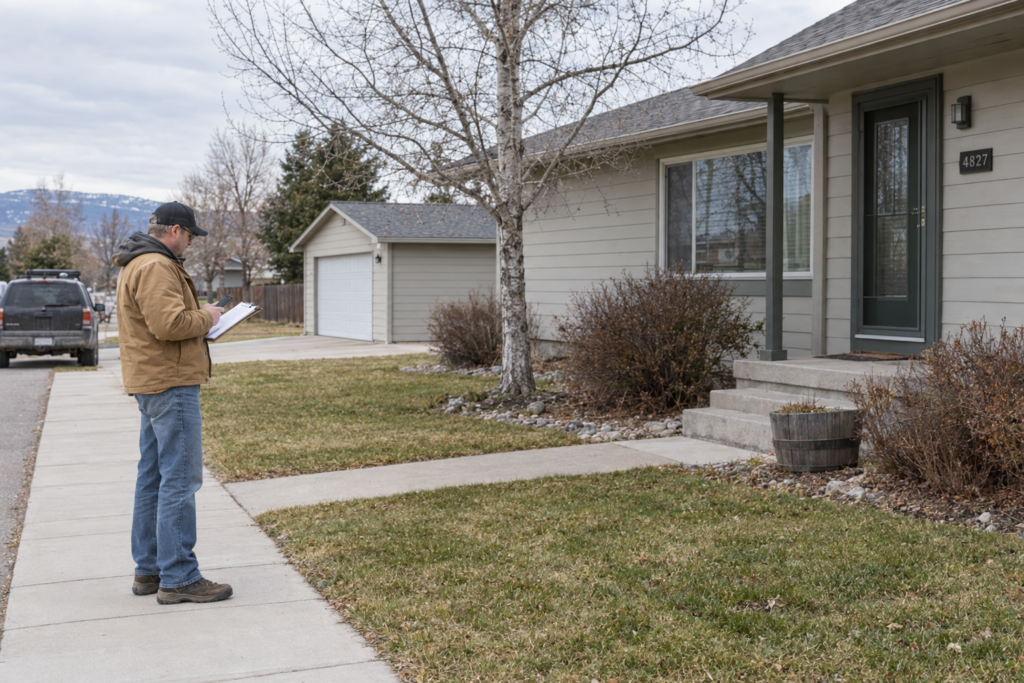
Surveillance can document activity relevant to a defined allegation when conducted within lawful boundaries, while background investigations examine information that may affect credibility, identity, history, or risk. Asset searches and bank account searches are designed to develop lawful leads for attorney review, not to promise that every asset will be found or prove ownership without further verification.
Social media and records-oriented inquiries
Social media investigations should rely on publicly available or lawfully obtained information and preserve context rather than treating isolated screenshots as a complete account. A defined assignment may include identity and account matching, review of relevant dates and posts, context checks, documentation of findings, and a report that explains what was located and what still requires verification.
How to manage a multi-location investigation after the first assignment
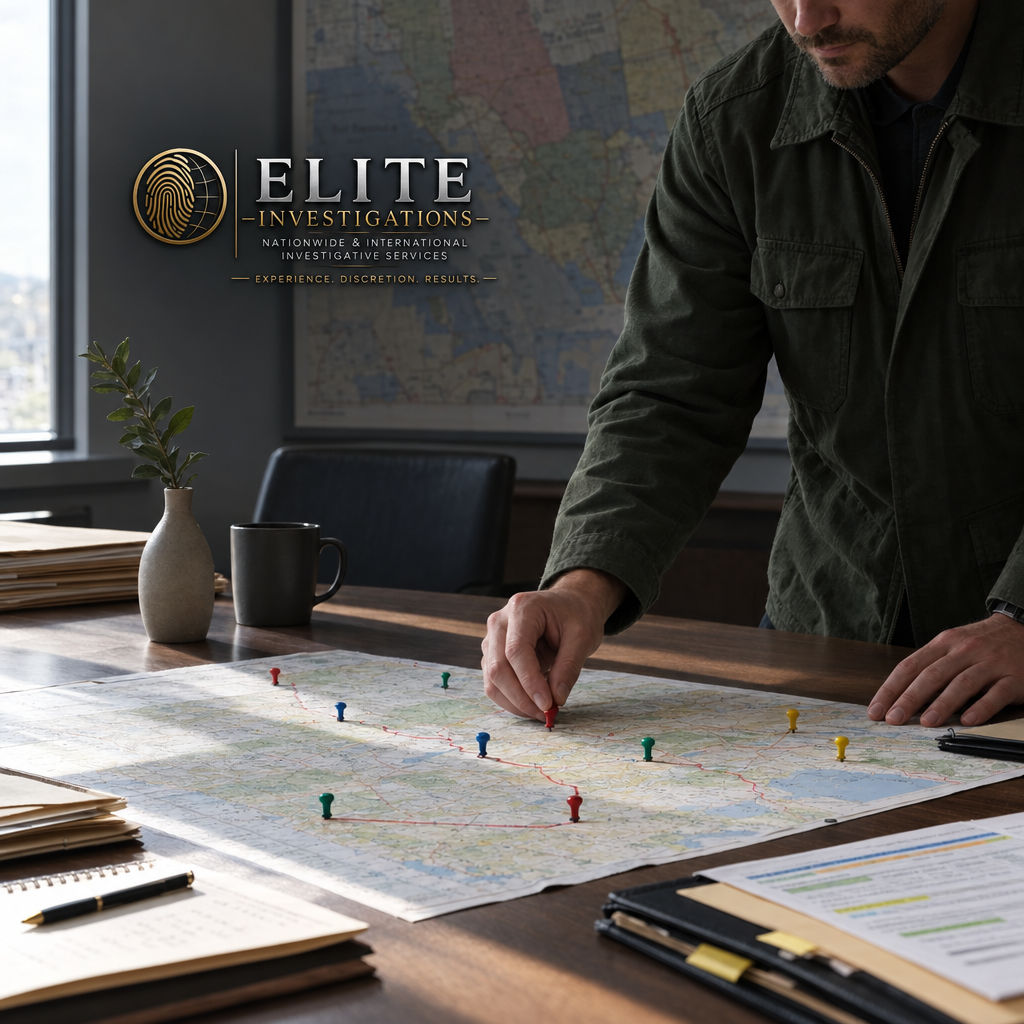
A staged plan keeps a multi-location investigation proportional and easier to review. Begin with intake and conflict review, then consider initial records or database work where appropriate, targeted fieldwork, an interim update, attorney review, and a decision about additional locations or interviews.
Regular communication helps a law firm decide whether a lead supports further investigation, needs corroboration, or should be documented for disclosure and case strategy. Track every lead by source, date, location, action taken, result, next step, and responsible contact. This structure is especially useful when work touches Billings, Bozeman, Butte, Missoula County, Anaconda, Baker, other Montana communities, and Wyoming.
Set milestones and decision points
Set a milestone for each phase, such as completing a location search, attempting an interview, reviewing initial records, or delivering a status report. Each milestone should answer whether the lead is confirmed, unresolved, contradicted, or worth additional work, allowing the attorney to control scope before costs and time expand.
Review findings before expanding the scope
An interim review should occur before adding locations, platforms, witnesses, or surveillance hours. We recommend comparing each finding with the pleadings, discovery, and known timeline, then deciding whether the next step needs corroboration, a focused follow-up, or documentation for the existing case strategy.
Prepare for testimony or continued case support
Ask how reports are delivered, how urgent findings are escalated, and whether the investigator can continue supporting lawful interviews, surveillance, or related assignments. Maintain organized notes and supporting materials so counsel can evaluate potential testimony, disclosure obligations, and the limits of what the investigation actually establishes.
When to involve Elite Investigations and how to get started
Elite Investigations is an option for attorneys and clients needing professional investigative services in Billings, Montana, surrounding Montana communities, and Wyoming. A first contact should identify the case type, disputed facts, relevant people or locations, urgency, requested service, deadline, and preferred communication method.
Ask about social media search scope and cost, witness interview planning, multi-location coordination, documentation, and estimated next steps before authorizing work. Our team supports legal investigations and complex factual inquiries, and testimonials highlight successful case resolutions involving complex factual issues and witness interviews.
A focused intake for attorneys and law firms
A useful intake includes a short case summary, the facts needing verification, known witnesses and addresses, relevant documents, deadlines, and the requested deliverables. Sharing that information early helps us distinguish an urgent public-safety matter that belongs with 911 from a private investigative assignment that can be planned lawfully and carefully.
Confirming service area, scope, and next steps
During intake, confirm the exact location, timing, travel considerations, communication plan, and scope for work in Billings, Bozeman, Butte, Missoula County, Anaconda, Baker, other Montana communities, or Wyoming. To discuss a legal investigation or fieldwork request, contact Elite Investigations at +1 406-698-8911 or info@elitepimt.com.
Frequently Asked Questions
What is the difference between a public officer and a private investigator in a legal investigation?
Public officers, including law enforcement, respond to emergencies, enforce public laws, and handle official public-safety duties. A private investigator supports an attorney or client through a retained assignment such as witness locating, interviews, surveillance, background research, asset searches, or other lawful fact gathering. Call 911 or the appropriate agency for immediate danger or an active crime.
Does Elite Investigations serve Billings, Montana, surrounding communities, and Wyoming?
Elite Investigations lists Billings, Montana, and Wyoming among its service areas and identifies communities including Bozeman, Butte, Missoula County, Anaconda, and Baker. Confirm the exact location, assignment scope, timing, and travel considerations during intake so the proposed work matches the matter.
How much do social media searches cost for a legal investigation?
Cost depends on the subject, identifiers, platforms, date range, preservation needs, verification requirements, and follow-up work. Ask Elite Investigations for an estimate tied to the specific assignment rather than assuming a standard price.