When a case depends on knowing who someone is, where they have been, what they may own, or who can confirm the facts, the first decision is how broad the investigation should be. We help attorneys, law firms, and individuals define that question before selecting records research, witness work, asset searches, social media investigations, or surveillance.
Which investigative question must the background check answer?
A private investigator background check should match the specific decision your case requires you to make. Identity confirmation may call for different research than locating a witness, assessing assets, reviewing online activity, or gathering firsthand information.
For example, an attorney may need to determine whether two records refer to the same person, while a law firm may need to locate a former employee or evaluate a business connection. An individual may need background information for a personal matter, but the appropriate records and lawful methods still depend on the question being asked.
Before work begins, we recommend defining six points: the subject, purpose, jurisdiction, records of interest, lawful methods, and required deliverable. This prevents a broad request from producing information that does not help with the decision at hand. It also clarifies whether the assignment requires a written investigative report, a timeline, interview summaries, photographs, video, or documented leads.
Elite Investigations supports attorneys and law firms with legal investigation services in Billings, Montana, surrounding areas, and Wyoming. Our team can help determine whether a background investigation should remain records-focused or include another investigative service.
1. What can a private investigator verify about identity and personal history?
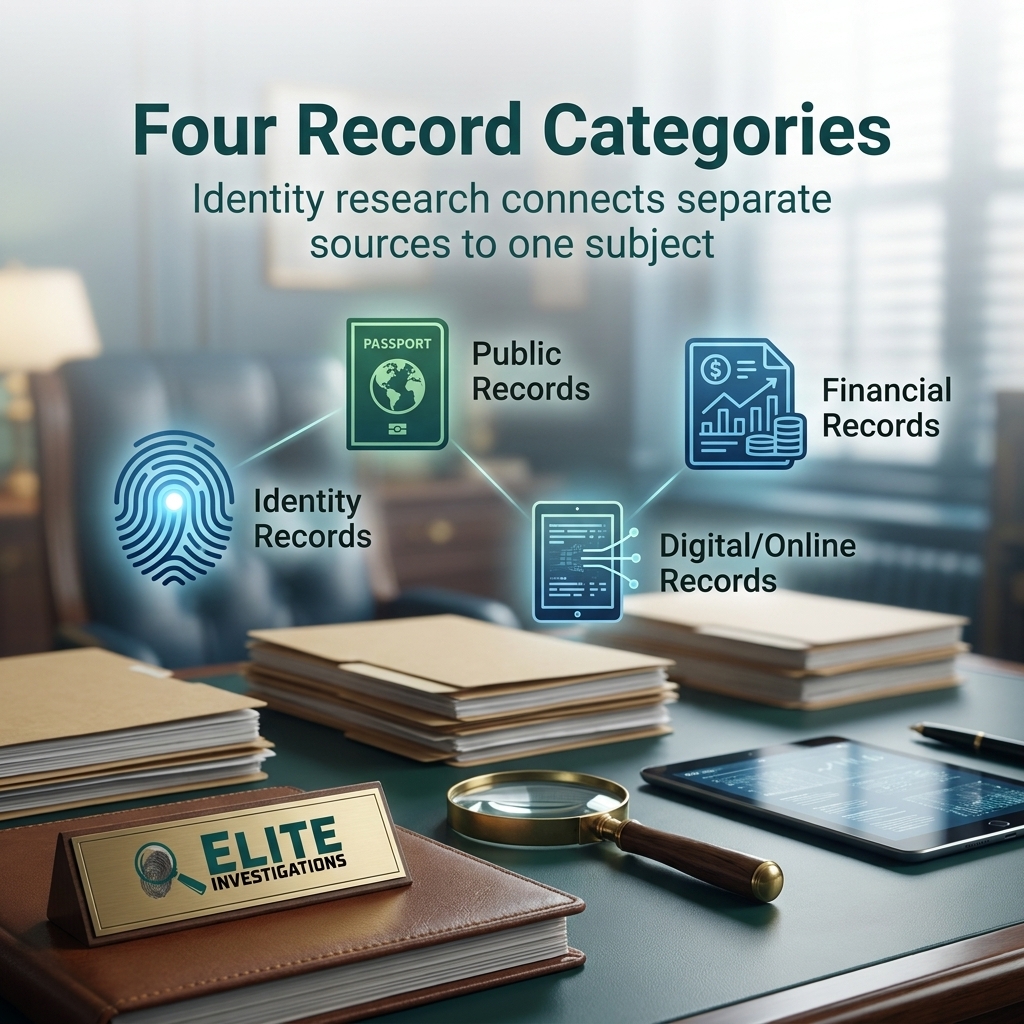
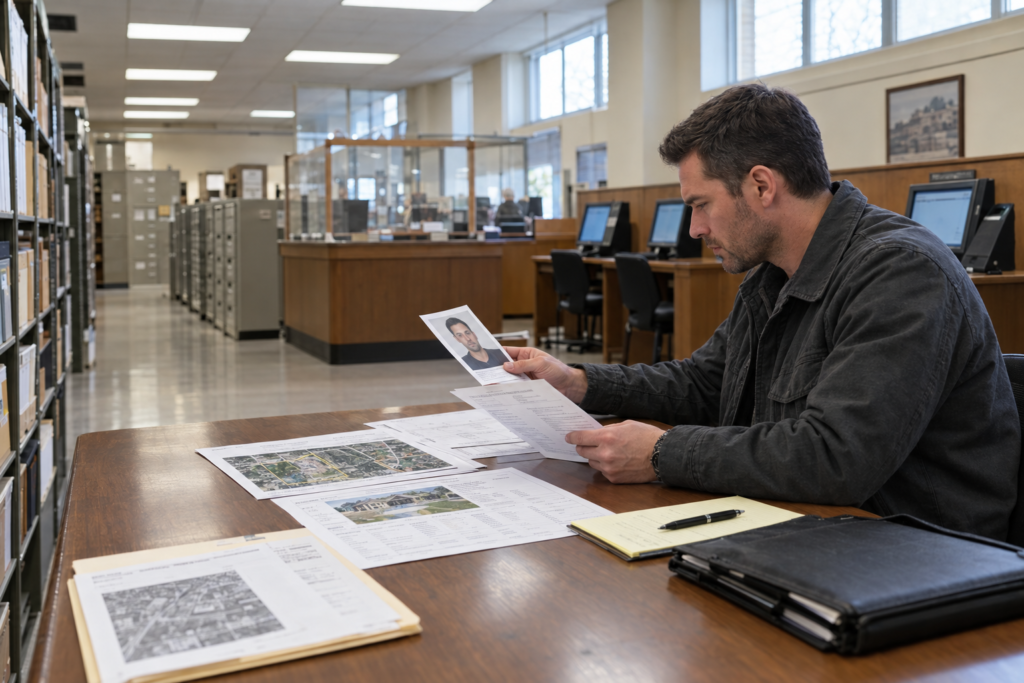
A background investigation can help confirm identifying details and organize available history that matters to a legal, business, or personal matter. The value comes from connecting records to the correct subject and clearly documenting information that may require follow-up.
Depending on the lawful scope, research may address identity matching, address history, employment or professional history when available, court-record research, and apparent connections between people or organizations. Discrepancies can be identified for further investigation, such as conflicting addresses, inconsistent names, or a history that does not match information already provided.
Cost depends on the subject, jurisdictions, records requested, and reporting requirements. We recommend requesting a defined scope rather than assuming that every background check carries one flat fee. A written scope also makes it easier to compare the requested work with the report you need.
Pros and limits: Records can clarify a subject’s history, but they may not answer questions about current conduct. This scope is often best for preliminary due diligence or case development. Ask how findings will be documented, which records were reviewed, and which conclusions remain unconfirmed.
2. When does locating a person require more than a database search?
Locating a witness, respondent, missing person, or other subject may require layered research when basic identifying information is incomplete, outdated, or shared by multiple people. A database result can create a lead, but confirming that the lead belongs to the correct person may require additional work.
A broader locating assignment may include address-history research, records review, witness locating, interviews, geographic follow-up, and confirmation of identity. Contact attempts can also help establish whether a person is reachable and whether the available information points to a current location or only an older record.
Cost can change with the number of jurisdictions, available identifiers, travel needs, contact attempts, and whether interviews or documented service support are requested. At intake, provide every known name, former address, employer, phone number, date of birth, vehicle detail, social media identifier, and relationship to the matter that you can lawfully share.
Pros and limits: This scope is useful when a case depends on a person’s location or testimony, but a search may produce leads rather than a confirmed current address. Our practical recommendation is to define whether you need locating only, locating plus contact, or locating followed by a documented interview.
3. What can an asset search reveal for a legal matter?
An asset search is a focused investigation into property, business interests, financial indicators, or other assets that may help attorneys evaluate case strategy. It can organize public information and identify connections worth examining through appropriate legal channels.
Research may include public-record review, property and business-interest research, connections between entities or people, and documented leads for further legal action. The investigator may also compare names, addresses, business registrations, ownership indicators, and related entities to help distinguish a meaningful connection from a coincidental record.
An investigator should quote the work based on the subject, jurisdictions, asset categories, research depth, and requested report format. A narrow property search and a multi-jurisdiction review involving business interests require different scopes, so the assignment should state what categories matter to the legal question.
Pros and limits: Asset searches can identify useful investigative leads, but they cannot promise discovery of every asset or access to protected financial information. This work is often a good fit for attorney-led case planning, collections, due diligence, or litigation support. Ask how each lead will be sourced and how uncertainty will be described in the report.
4. How can social media research and surveillance answer different questions?

Social media investigations examine online material, while surveillance documents selected observable activity in the field. Because the methods answer different questions, combining them makes sense only when each addresses a distinct unresolved issue.
Social media research
Lawful review of publicly available online activity may help establish timelines, affiliations, stated activities, or inconsistencies. We recommend asking which platforms and time periods will be reviewed, how relevant material will be preserved, and how the report will separate observed content from interpretation.
Online material can be incomplete, altered, removed, misidentified, or posted by someone using another person’s name. A careful investigative report should identify what was observed, when it was observed, and what remains unverified rather than treating an online profile as conclusive proof.
Surveillance investigations
Surveillance addresses questions about observable activity and patterns that online research cannot resolve. Depending on the assignment, documentation may include activity logs and photographs or video when appropriate, with the report identifying the time and location of observations.
Surveillance captures only selected periods and may not represent a person’s conduct at other times. Pricing depends on surveillance hours, travel, staffing, geographic coverage, and deliverables, so request a quote for the selected method and confirm documentation standards before work begins.
5. When should a background check include witness locating and interviews?
A background check should include witness locating and interviews when a person’s knowledge, recollection, or location could affect case evaluation. Records may show where someone has been, but an interview can address what that person observed or knows about a specific event.
Witness work may include locating potential witnesses, preparing a contact plan, conducting interviews, recording source details, comparing accounts with known facts, and producing a usable written report. Attorneys should decide whether they need a preliminary contact, a recorded statement where lawful and appropriate, or a written interview summary.
Cost varies with the number of witnesses, travel distance, interview complexity, attempts required, and requested documentation. Define whether the assignment includes only locating or also interviewing, and explain any deadline tied to filing, negotiation, discovery, or another case milestone.
Pros and limits: Interviews can reveal leads and competing accounts, but they depend on witness availability, willingness to speak, and memory. This scope is best suited to legal investigation support where testimony or firsthand information matters. We recommend providing existing statements, known relationships, and specific points that need confirmation so the investigator can prepare efficiently.
How should attorneys choose the right background investigation scope?
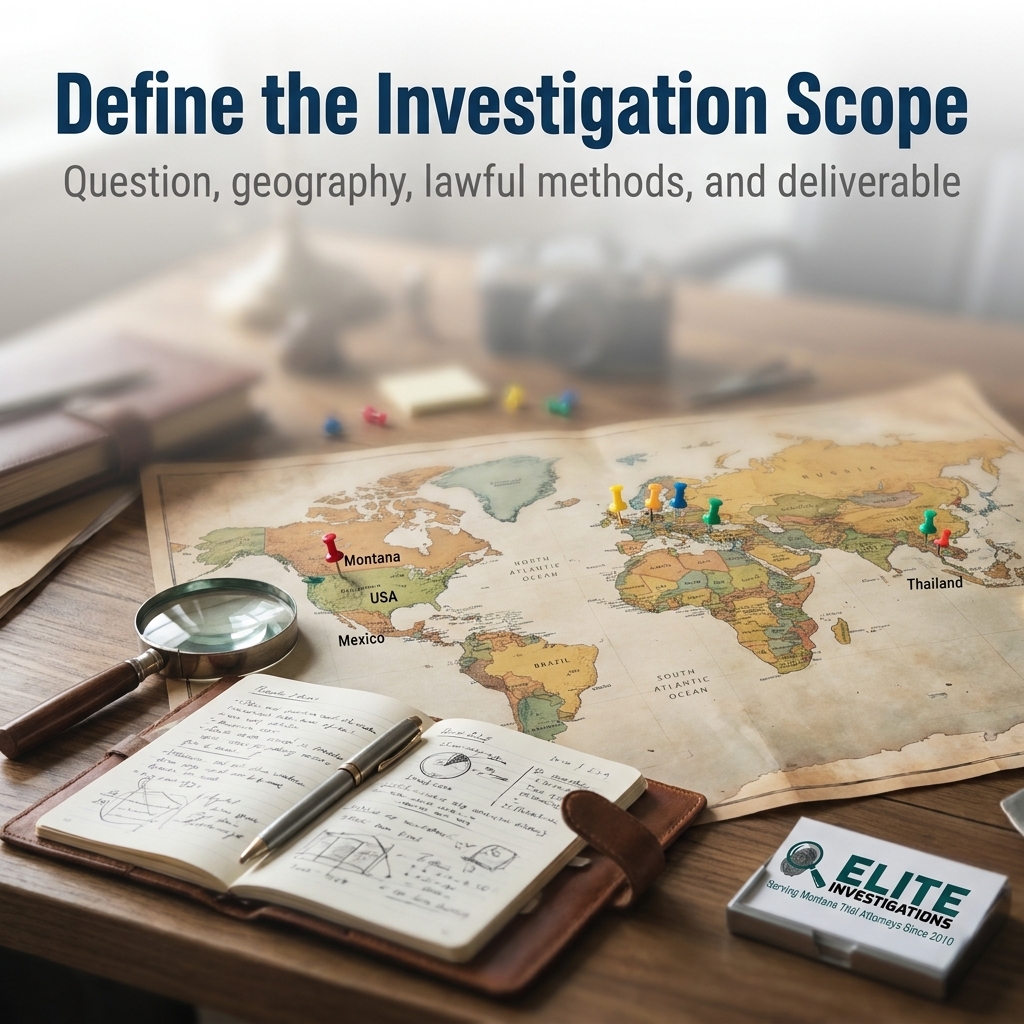
The right scope begins with a written case question and a clear description of the result you need. Before selecting a private investigator, ask how lawful methods will be used, which geographic areas are covered, who will perform the work, how findings will be documented, how often you will receive updates, and how new leads will be handled.
Use this quick-glance checklist when preparing the intake conversation:
- Subject: Identify the person, company, or account to investigate.
- Purpose: State the legal or business question.
- Jurisdiction: List relevant cities, counties, states, or cross-border needs.
- Records and methods: Specify background research, assets, social media, surveillance, witnesses, or a combination.
- Deliverable: Define the report, timeline, exhibits, photographs, video, or interview summaries required.
Elite Investigations offers background checks, social media investigations, surveillance investigations, asset searches, and witness locating and interviews for matters in Billings, Montana, surrounding Montana areas, and Wyoming. We serve attorneys, law firms, and individuals who need an investigation aligned with a defined legal, business, or personal question.
Attorneys, law firms, and individuals can contact Elite Investigations or call +1 406 698 8911 to discuss the subject, purpose, jurisdiction, and desired deliverable before selecting a scope.
Frequently Asked Questions
What does a private investigator background check typically verify?
It may verify identity details, address history, available court or public records, professional or business connections, online activity, assets, or witness information. The requested purpose determines which methods are appropriate and which findings can answer the case question.
How much does a private investigator background check cost?
No single price applies to every assignment. Cost may depend on the subject, jurisdictions, records requested, research depth, surveillance or interview time, travel, and report format. Request a written scope and quote before work begins.
Can a private investigator combine background checks with social media searches, surveillance, or asset searches?
Yes, these services can be combined when each method addresses a distinct unresolved question. Confirm the purpose, lawful methods, geographic coverage, documentation, and deliverables for every added service.
How do I get started with a private investigator background check?
Prepare the subject’s known identifiers, the question the investigation must answer, relevant jurisdictions, records or methods of interest, deadlines, and desired report format. Then contact Elite Investigations through the website or by phone at +1 406 698 8911.